
If you’re a parent of little ones and dinner feels like a juggling act of nuggets, nudges, and negotiations, you’re not alone. Let’s unpack what’s really going on (without guilt), why it matters, and how to try one simple, connection-first dinner this week, even if you’ve never done it before.
The headline stat (and what it actually means)
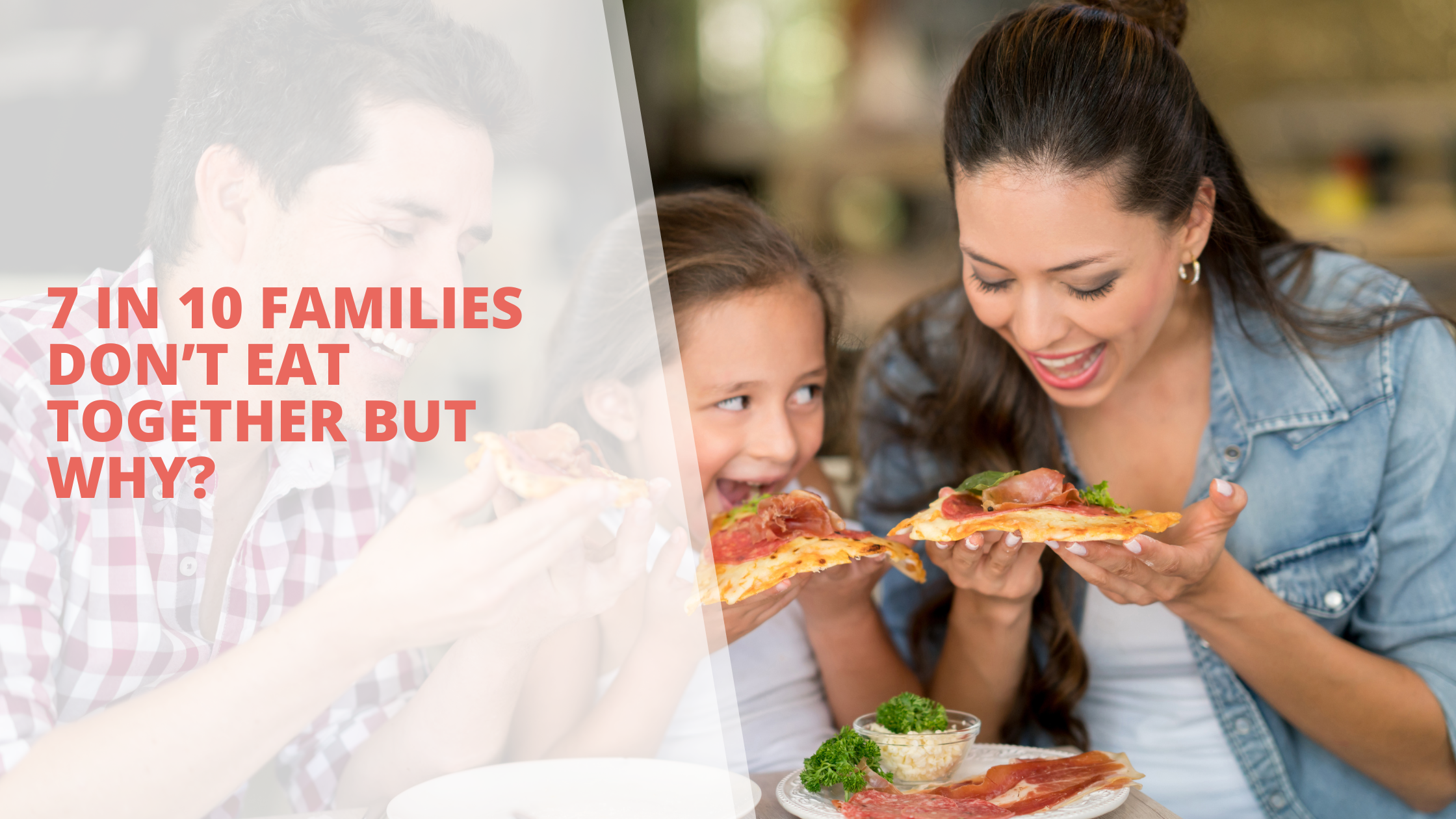
A national survey reported that seven out of ten families don’t sit down together for dinner every night. In other words, only three in ten manage it daily; the rest of us are doing our best around shift work, sport, homework, and tired brains (and yes, screens). The same report found that 92% of families say devices get in the way, and almost half struggle to find things to talk about. That doesn’t make you a “bad” parent; it makes you a modern one.
It’s also true that today’s homes are built for eating “anywhere”: only about half of Australians mostly use the dining table; many eat on the couch or at the kitchen bench. That doesn’t doom family connection; it just means connection now needs more intention than architecture.
Why shared meals still matter (especially for young kids)
For two decades, research has linked regular family meals with better outcomes for children: bigger vocabularies in preschoolers, stronger self-esteem, healthier eating patterns, and lower risk of depression and risky behaviours. Correlation isn’t the same as causation; life is complex, but the trend is consistent: talking while we eat tends to be good for growing minds and hearts.
In plain English: Kids learn who they are, and that they matter, when we make space to listen.
“Family dinner is less about the menu and more about the message: you belong here.”
So… why don’t we eat together?
- Time pressure & tiredness — work hours and after-school activities collide with hungry tummies.
- Screens & distractions — devices quietly pull attention away from conversation.
- No table? No problem. Many families simply don’t have (or use) a dining table. Connection can still happen at the bench or on a picnic rug.
- “What do we even talk about?” Plenty of parents say conversation is the hard part; not the cooking.
“You don’t need perfect meals, you need predictable moments.”
Try this once-a-week “Easy Dinner Conversation” (15–25 minutes)
Wherever you eat (bench, floor picnic, couch — no shame), try this simple three-course chat using The Table Talk Project’s Entrée / Main / Dessert flow:
- Entrée (warm-up, 2 minutes)
Each person answers: “High & Low” — one good thing today, one tricky thing.
Tip: Adults go first to model short and honest. - Main (curious question, 8–12 minutes)
Choose one:- “What’s something you tried this week that was new or brave?”
- “Who did you help today, or who helped you?”
- “If our family was a team, what would be our superpower?”
- Dessert (feel-good finish, 2–3 minutes)
Everyone gives a micro-thank you: “I appreciate you for…” (keep it specific: “…sharing your Lego,” “…helping unpack the bag,” “…the silly joke.”)
Make it doable:
- One device rule: Pick one device to turn off (start with the TV). Add more later.
- One shared plate: Put carrot sticks or fruit in the centre so “passing and sharing” happens naturally (tiny hands love rituals).
- One predictable time: Pick one night this week and pop it in the calendar. That’s it, just one.
If your kids are under 7, keep it playful
- Talk in turns with a “talking spoon.” Whoever holds it shares; others listen.
- Use “because…” to stretch vocab: “My favourite part was playground because the slide was fast.” (This tiny word grows little brains.)
- Keep it short. Ten connected minutes beat an hour of wrangling.
“We’ve never done this before.” Start here.
- Pick Wednesday.
- Menu = simple. Eggs on toast, wraps, or last-night leftovers.
- Script it:
- “Tonight we’re trying a talking dinner. It’s short and fun.”
- “We’ll each share a High & Low, then answer one question, then do thank-yous.”
- End with a win: Take a goofy family selfie or draw a one-minute “snapshot” of dinner (kids adore this).
“Connection beats perfection, every single time.”
Worried about “doing it right”?
You can’t “fail” a family dinner. If someone melts down, call it. Try again next week. Even aiming for three shared meals a week (breakfasts count!) is a healthy, realistic target, the table is optional; your attention isn’t.
And if food is tight right now, you’re not alone; many Australian households are under pressure. Seek local support, community and dignity at the table go together.
Ready to give it a go this week?
If you try the Entrée/Main/Dessert flow, we’d love to hear how it went. Tag us or send a note. Your story helps another family believe they can start too.
Everybody has a voice at the table. Let’s make sure the smallest voices get heard.
