
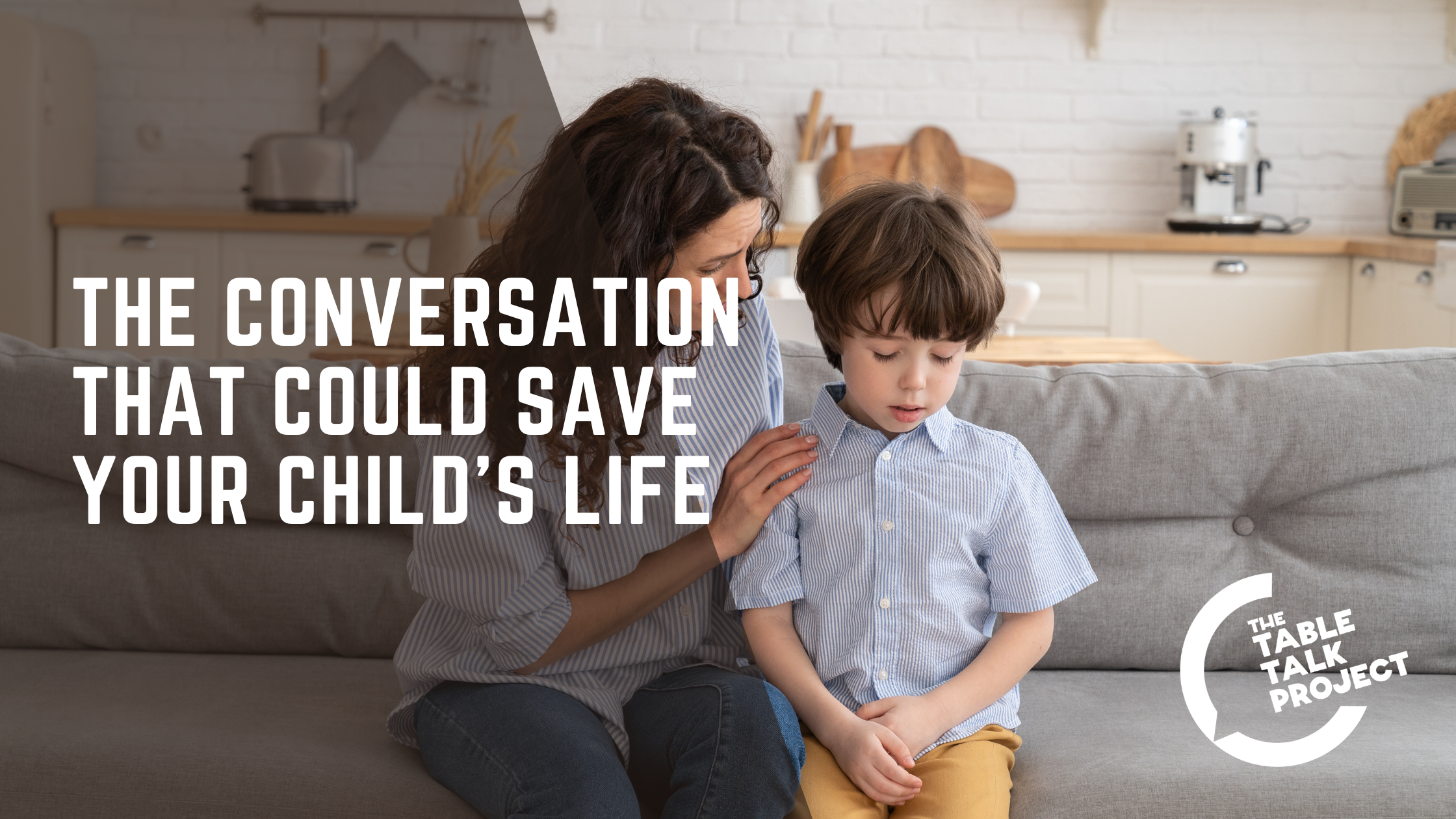
There are some conversations as a parent that you never forget.
Recently, something happened to my daughter that could have ended very differently. Thankfully, it didn’t.
But what I’m most grateful for isn’t just the outcome. It’s that she told us.
She felt safe enough to come and talk to us about what had happened.
As I reflected on that moment afterwards, one thought kept coming back to me.
What if she hadn’t?
As parents, we desperately want to believe our children will tell us when something is wrong. We hope they’ll come to us if they’re being bullied, threatened, groomed online, struggling with their mental health, or if someone has crossed a boundary that should never have been crossed.
But if we’re honest with ourselves, we know our children don’t tell us everything.
They don’t tell us every worry.
Every mistake.
Every friendship problem.
Every conversation they’ve had online.
And that’s normal.
Children and teenagers are still learning how to process emotions, navigate relationships, and understand the world around them.
The question isn’t whether they’ll keep some things to themselves.
The real question is this:
When something really matters, will they come to you?
Trust isn’t built during a crisis
One of the biggest myths of parenting is believing that if something serious happens, our children will automatically know they can talk to us.
Trust doesn’t work like that.
It grows through thousands of small moments.
It’s built when we put our phones away.
When we ask questions instead of giving lectures.
When we listen more than we speak.
When our children know they won’t be met with immediate anger, shame, or judgement.
Every ordinary conversation becomes a deposit into the trust account.
Then one day, when life becomes anything but ordinary, that account is there to draw from.
The dinner table is about much more than food
At The Table Talk Project, we often say that families don’t just need to eat together.
They need to talk together.
Not because every conversation is life-changing.
But because one day, one of them might be.
When families regularly sit around the table and genuinely connect, children learn something incredibly important.
“I will be listened to.”
“I’m safe here.”
Those beliefs don’t appear overnight.
They grow one meal at a time.
The conversations that matter start long before they matter
Many parents tell me:
“I don’t really know what’s going on in my child’s life.”
Others say:
“I don’t know who they’re talking to online.”
Or:
“I’m not sure they’d tell me if something was wrong.”
If that’s you, don’t carry guilt.
Carry hope.
Because it’s never too late to begin creating a different culture in your home.
The best time to start was years ago.
The second-best time is tonight.
Three simple ways to start
You don’t need perfect questions.
You don’t need to be an expert.
You just need consistency.
Try this once a week.
Share a meal together.
Invite everyone to help choose the meal, cook it, or set the table. Shared ownership creates shared connection.
Use a conversation starter.
Choose one from Back at the Table, or let your children choose one instead. Some nights you’ll laugh. Some nights you’ll learn something you never expected.
Finish with one simple question.
Ask:
“Is there anything you wish you’d shared today?”
Don’t rush the silence.
Sometimes the most important answers come after a pause.
It really could save a life
When children know they can bring you their mistakes without fear…
When they know they can tell you they’re scared…
When they know you’ll stay calm enough to help…
They are far more likely to come to you when they need you most.
Not because you’ve got all the answers.
But because you’ve become their safest place.
That’s what every family deserves.
And that’s why The Table Talk Project exists.
Because around an ordinary dinner table, with an ordinary meal, something extraordinary can happen.
A conversation.
A connection.
A child who knows they’re not alone.
And sometimes…
That conversation really could save their life.
Conversation Starter
What’s something that happened this week that you haven’t told anyone yet?
Remember, this isn’t about forcing answers. It’s about creating a space where your children know they’re welcome to share when they’re ready.
Family Challenge This Week
Choose one meal this week where everyone puts their phones away.
Ask one meaningful question.
Listen without interrupting.
You might be surprised by what happens.
